
Boilers
Commercial Boiler Start-Up in Wichita: What to Check Before the Heat Goes On
A commercial boiler start-up wakes the plant before the building depends on it: the boiler fired and tuned to a combustion analysis, its safeties proven, and everything around it walked, ahead of the first cold morning rather than on it.
- Published
- Reading time
- 10 min read
- Category
- Boilers
20+
Years Experience
All Makes
& Models
Licensed
BUS2025-11907
5.0
on GoogleResidential
& Commercial
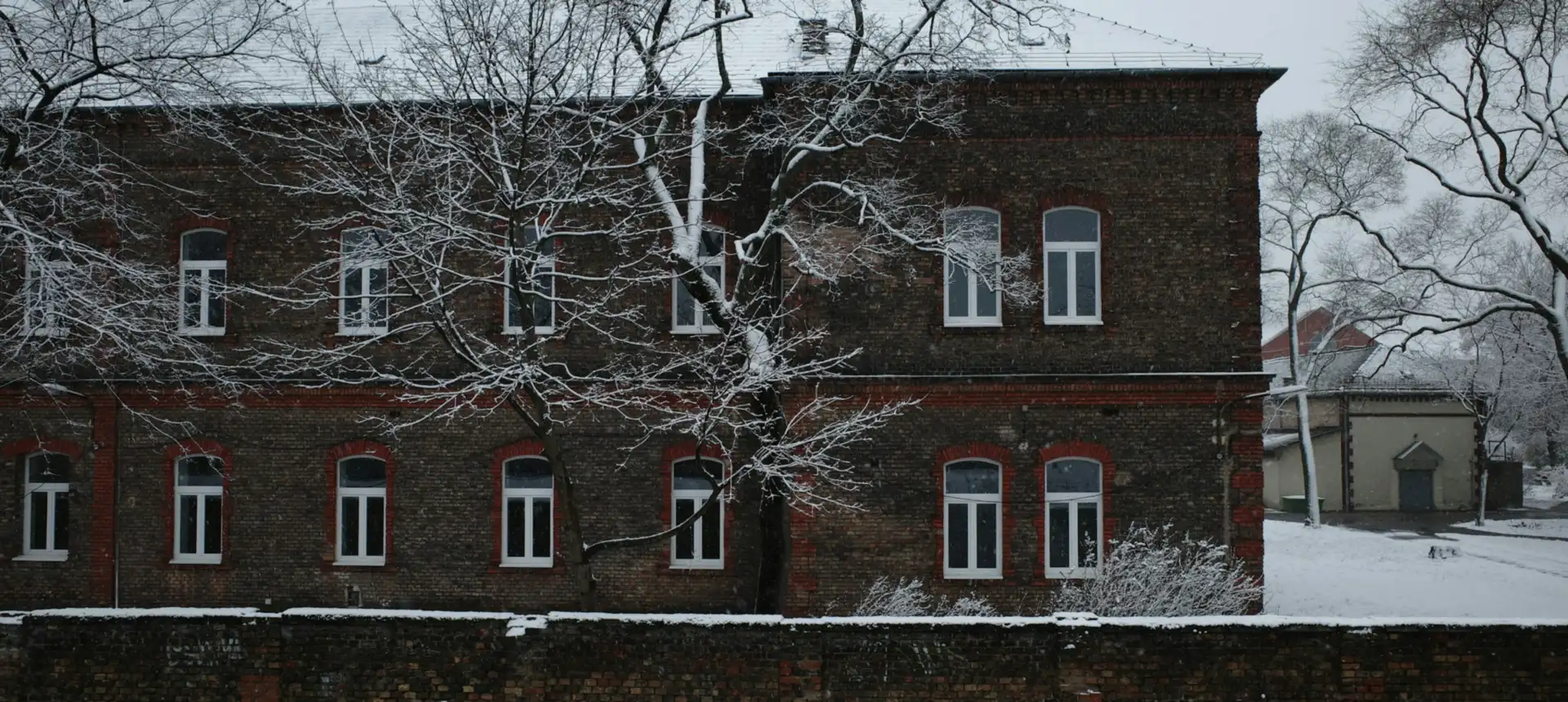
A boiler in a Wichita building spends most of the year doing nothing. It shuts down in spring, sits through a long Kansas summer, and then one October morning it is asked to heat the whole building at once — a sanctuary before Sunday service, classrooms before the buses arrive, an apartment block full of tenants who call the moment a radiator is cold.
A commercial boiler start-up is the visit that comes before that morning. It is more than relighting the boiler and turning up the thermostat: the burner is fired and tuned to what an analyser reads, the safeties are tested, and the plant around the boiler is walked to check that summer has not changed anything.
This is written for the people who answer for boiler-heated buildings across Wichita and South Central Kansas — facility and property managers, church trustees, school maintenance staff, and the owners of older offices, shops and apartment buildings. It covers what a start-up involves, why the first cold snap here is hard on a boiler, what you can check yourself, what a technician measures, and how it differs from the state inspection.
What a commercial boiler start-up actually covers
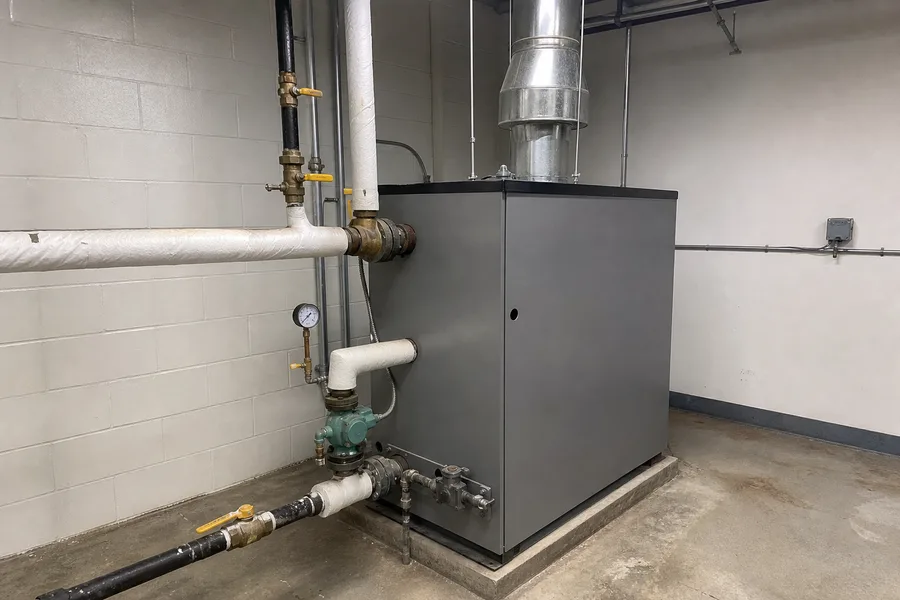
Most commercial boilers around Wichita heat water and pump it round the building — to radiators and baseboard, to coils in air handlers, to fan coils, or to tubing in a slab. Some older buildings run steam. Either way the boiler is one part of a plant: a gas train feeding it, a flue carrying combustion out of the building, pumps and valves moving the heat, and controls and safeties deciding when it fires and when it must not.
Turning a boiler back on proves that it lights. A start-up proves that it lights, burns properly, shuts itself down when it should, and has everything it depends on in working order. The first is a switch. The second is a set of readings, taken while the building can still do without heat, so that anything found is a work order rather than a cold building.
Why the first cold snap in South Central Kansas is hard on a boiler
A boiler does not wear out over the summer. But a great deal can change around it while nobody is looking, and a Kansas autumn tends to test all of it in a single cold morning.
A long, idle summer
Between spring and autumn a pump may not have turned, a valve may have been closed for some other job and never reopened, and the boiler room may have become the building’s storage. Outside, the flue terminal and any combustion air openings have spent months facing the wind with nobody watching them. None of it shows until the boiler is asked to run.
Cold mornings, warm afternoons
A South Central Kansas autumn can start a day near freezing and finish it warm enough for shirtsleeves. A boiler and its controls have to follow that, firing hard at dawn and barely at all by mid-afternoon, and how well they track depends on settings that drift with time.
Buildings with a chiller as well have a second question. On a two-pipe system the same pipes carry either chilled water or hot water, so the building is in one mode or the other, and choosing the changeover day in a Wichita October is a judgment call. Planning the boiler start-up alongside the chiller’s end of season makes that call easier.
The first hard freeze arrives all at once
By late October the first hard freeze is never far off, and it rarely arrives gently. The boiler that has sat idle since spring is suddenly asked for everything, often on the day the building is busiest. That is the argument for doing the start-up in early autumn rather than the week the forecast turns.
A pre-start-up checklist for owners and building staff
You do not need to open the boiler to learn a good deal about it. Most of what is worth knowing before a start-up can be seen from the boiler room floor and from the ground outside, and a note of it makes the visit quicker.
Before the heat goes on: what to look for
Worth writing down and mentioning when you book the start-up:
- Nothing is stored against the boiler, in front of its burner, near the flue, or across the combustion air openings into the room.
- If the boiler carries a state inspection certificate, the one posted in the boiler room is current — check the date on it.
- The gauges read the way they did last season. If nobody wrote last season’s readings down, write this season’s down now.
- No water on the floor under the boiler, the pumps or the valves, and nothing dripping from the relief valve’s discharge pipe.
- No new rust streaks, white crust or staining on fittings, joints or the boiler jacket since spring.
- The flue pipe is in one piece and connected along its run, with no gaps, sagging sections or soot marks at the joints.
- Outside, the flue terminal and any intake are clear of nests, debris and anything stacked against the wall.
- Thermostats and building schedules match this year’s use — new tenants, changed service times, rooms closed off or opened up.
- Anything that changed over the summer: a renovation that touched the piping, radiators removed, a zone added, a new air handler.
- Any banging, gurgling, whistling or rumbling somebody remembers from last winter, and roughly when it happened.
Every one of those has more than one possible explanation, and which one applies is measured, not guessed. Tell us what you found and when it started.
If you smell gas in the boiler room, or a carbon monoxide alarm sounds anywhere in the building, none of this applies. Get everybody out and call the gas utility or 911 from outside.
What a technician measures at a boiler start-up
The core of the visit is combustion. The analyser samples the flue gas while the boiler is firing, and the burner is set against what it reads rather than against how the flame looks. A flame that looks right tells you the boiler is burning, not how well, and two boilers of the same make on the same gas can want different settings.
Around that sits the rest of the plant, because a burner tuned perfectly is worth far less if something either side of it is working against it.
Why the analyser
A flame that looks right tells you the boiler is burning, not how well. The reading is what the burner gets set to.
At a commercial boiler start-up, we are working through:
- Combustion analysis while firing, and the burner tuned to what it reads.
- Ignition and flame safeguard — that the boiler lights, proves flame and shuts down when it should.
- The operating and high-limit controls and the low-water cutoff, tested rather than assumed.
- The relief valve and its discharge piping.
- The gas train: supply and manifold pressure against the nameplate, valves and regulators.
- Flue, draft and venting, and the combustion air the room has to supply.
- Pumps, isolation valves, the expansion tank and air removal, and the system’s fill and pressure.
- The controls calling for heat — thermostats, outdoor reset or the building automation, whichever the building has.
You hear what we found and what it means before any work starts, including the times the answer is an adjustment rather than a part.
A start-up is not the state boiler inspection
Kansas inspects boilers. Under the Kansas Boiler Safety Act, heating boilers in commercial and public buildings, and in apartment buildings of five or more units, are inspected and certified through the State Fire Marshal’s Boiler Inspection & Safety Unit. The inspection is made by a state deputy inspector or by the inspector for the boiler’s insurer, and the certificate is posted in the boiler room. Boilers in private homes and in apartment houses of fewer than five units are outside the certificate program.
That inspection and a start-up answer different questions. The inspector is checking that the boiler and its safety devices meet the state’s rules and may legally run. It does not tune the burner, walk the pumps or set the controls for the season. A boiler can carry a current certificate and still be badly tuned, and a freshly tuned boiler still needs its certificate.
Which boilers the act covers, and on what cycle, is the Fire Marshal’s office to answer for any particular building. If an inspection report lists something that needs putting right, send it with your call and we will tell you straight whether it is work we do.
Where the start-up fits in a building’s maintenance year
A boiler wants one substantial visit a year, timed ahead of the heating season, which is why boilers usually sit on an annual schedule. Booking it in late summer or early autumn means the start-up happens while the building can still do without heat, and anything it turns up can be dealt with on a normal working day.
If the building also has a chiller, rooftop units or a make-up air unit — some of which may run a hot-water coil off the same boiler — it is worth planning them together. Chiller service before the cooling season and boiler tuning before the heating one are the two visits that matter most in a building with central plant.
The same start-up applies to a shop or a barn heated by tubing in the slab. The boiler feeding an in-floor system has sat idle through the same summer and faces the same first cold morning, and it is looked after the same way.
Common questions
- When should a commercial boiler be started up for the season in Wichita?
- Ahead of the first cold spell rather than on it. For most buildings that means booking in late summer or early autumn, so the visit happens while nobody depends on the heat yet. The later in October it gets, the more likely it is that the first hard freeze comes first.
- Our maintenance staff turn the boiler on every fall. Is that enough?
- It gets heat into the building, and staff who know the boiler day to day are worth a great deal. What turning it on does not do is tune the burner to a combustion analysis, test the safeties, or check the plant around the boiler. A start-up adds those, and the readings from it give your staff something to compare against through the winter.
- What is combustion analysis on a boiler?
- An analyser samples the flue gas while the boiler is firing and shows how completely the fuel is burning and what is going up the stack. The burner is then set against those readings rather than against how the flame looks. It is where a boiler’s efficiency is set, and it is also part of the safety work.
- Is the Kansas boiler inspection the same as boiler maintenance?
- No. The state certificate inspection, made by a state deputy inspector or the boiler’s insurance inspector under the Kansas Boiler Safety Act, checks that the boiler and its safety devices meet the state’s rules. It does not tune the burner or set the plant up for the season. A building needs the certificate and the maintenance, and one does not stand in for the other.
- How often should a commercial boiler be serviced?
- At least once a year, timed before the heating season. Buildings that lean hard on their boiler, or run older plant, sometimes add a visit through the winter. We work on quarterly, semi-annual and annual schedules, and what sets the interval is how hard the boiler works and what a cold building costs you.
- Do you work on boilers you did not install?
- Yes. We work on all makes and models, on churches, schools, offices, apartment buildings and shops across Wichita and South Central Kansas. Most of the boilers we see were installed by somebody else, often a long time ago.
Side by side
Turning It On, a Start-Up, or the State Inspection?
Three different things get called "starting the boiler" in a building, and they are not interchangeable. This is how they differ.
| Compared on | Turning it back onBuilding staff relight the boiler and raise the thermostat. | Start-up serviceA technician fires, tunes and tests the boiler, and walks its plant. | State certificate inspectionA boiler inspector checks the boiler against the Kansas Boiler Safety Act. |
|---|---|---|---|
| Who does it | Turning it back onWhoever has the boiler room key. | Start-up serviceAn HVAC technician with a combustion analyser. | State certificate inspectionA state deputy boiler inspector, or the inspector for the boiler’s insurer. |
| What it is for | Turning it back onGetting heat into the building. | Start-up serviceThe boiler running right, and safely, for the season ahead. | State certificate inspectionCertifying that the boiler may legally operate. |
| What gets checked | Turning it back onWhether it lights, what the gauges read, and whether the rooms warm up. | Start-up serviceCombustion while firing, gas pressures, safeties and controls, pumps, venting and the water side. | State certificate inspectionThe boiler’s condition and its safety devices, against the state’s rules. |
| What it does not do | Turning it back onTune the burner, test the safeties or look at the plant around the boiler. | Start-up serviceIssue or replace the state’s certificate. | State certificate inspectionTune the burner or set the plant up for the season. |
| When it happens | Turning it back onWhenever the first cold day forces it. | Start-up serviceAhead of the heating season, while the building can still do without heat. | State certificate inspectionOn the cycle the State Fire Marshal’s office sets. The certificate shows when it was last done. |
The three are not alternatives. Staff who know the boiler, a start-up before the season and a current certificate on the wall are what a boiler-heated building is meant to have together.
Your first and last call
Have the Boiler Started Up Before the Building Needs It
A boiler that is going to let a building down in January has usually been sitting in the same condition since spring. If you look after a boiler-heated church, school, office, shop or apartment building anywhere in the Wichita area, and nobody can say when it was last tuned to an analyser, ring us. The order is the same as on every job of ours: find out what the boiler is doing first, then talk about what it needs.
More than twenty years installing and servicing heating and cooling across Wichita and South Central Kansas, residential and commercial, on all makes and models — boilers, chillers, rooftop units, make-up air, paint booths and walk-in refrigeration among them. Fairly priced, and you know what is involved before any work starts.
Call 316-807-1713 and book the start-up before the first cold morning books it for you.
Where this goes next
What We Do About It
- BoilersWhat our annual boiler maintenance, tuning and combustion analysis covers.
- Commercial HVAC UpkeepThe whole maintenance year across boilers, chillers, rooftop units, make-up air and refrigeration.
- Radiant Floor HeatingFor shops and barns heated by tubing in the slab, where the boiler is the heat source.
- Commercial HVAC in El DoradoThe Butler County seat, whose schools, clinics and public buildings run boiler and chiller plant.
- Contact UsTell us what the building is, what heats it, and when the boiler was last looked at.
More reading
Other Articles
- Make-Up Air in WinterWhy a kitchen or a shop goes cold and drafty when the exhaust runs in January, what a heated make-up air unit is doing about it, and what to look at before the first hard freeze.
- Radiant Floor HeatingWhat in-floor heat does well in a Kansas shop, barn or house, where it is the wrong answer, and the handful of decisions that have to be made before the concrete arrives.
- Walk-In CoolersWhat you can establish in ten minutes when a walk-in cooler stops holding temperature, what a technician measures, and why a Kansas summer is hard on the half of the system nobody looks at.
Google Reviews
5.0 Stars on Google
Our customers talk about the same things: we show up fast, we find what’s actually wrong, and we finish when we said we would.
Get started
Let's Get Your Comfort Back
Tell us what your system is doing and we'll tell you what it needs.
Or just call
316-807-1713- Monday–Friday
- 7:00 a.m.–6:00 p.m.
- Saturday
- By appointment only
- Sunday
- Closed
Arrow Heating and Air Conditioning, LLC · License# BUS2025-11907